
Freezing Movement in Time, Photographer Tristan Pope is a Dancer’s Best Friend
There is no one way to describe Tristan Pope: New Yorker, Actor, Photographer, Emmy Award-winning director, gamer and former Blizzard Entertainment magic maker. Pope is more than just the sum of his creative parts, and it is this approach that makes his work all the more spectacular. Out to capture the perfect moment, frozen in time, Pope’s goal is to combine motion, strength, glamour, and fashion into each and every shot. We sat down with Tristan to hear more about his professional evolution, his vision, and making it as an artist and creative professional.
Why did you decide to pursue photography as a career?
I think my choice to pursue photography as a career was not really a choice – since I was a little kid, I would go and take pictures of family events. I was always able to capture these moments that people around me had, and I wanted to further that, so after a couple of years in California directing cinematics for a video game company, I decided to branch off, take what I had learned and apply it to my own business, which had translated into photography.

What inspires you as a photographer?
The things that inspire me most as a photographer are definitely the interactions that I have with the various people I work with. If you asked me to shoot a landscape, for example, I wouldn’t be able to – it would be the worst photo you’d see, because in that situation, I can’t talk to that rock over there and tell it to move to the left a little. It’s that 30 minutes when the model or dancer or actor is getting ready, or getting their makeup done, where I have to get to know them really quickly, and apply that to their everyday and my everyday, and the things that might be up and down. It’s like you’re a bit of a therapist, but then you have to go and shoot your subject and make everything really beautiful, so that interaction is what really draws me into it.
What’s the most rewarding part of being a photographer?
I think the most rewarding part of being a photographer is being able to show someone a different version of what they see in themselves. I try to make sure that it’s as close to what I see and executed as accurately as possible – I’m not talking about Photoshopping your face into a thin mask with makeup and Snapchat filters. I’m talking about the real you in that moment, so you can have that photo forever.
Can you tell us about your “Dancers Of” project and what inspired you to start it?
One of the interesting projects I’ve been working on is an ongoing series called “Dancers Of”, spurred by a short film that I shot on an iPhone, back when Apple had introduced slow motion at 240 frames per second. I did this video in the three days after the iPhone 6 was released, all doing one dance move, all over the city, and I released a 2-minute snap piece where it was just these beautiful dancers in slow motion. I was capturing it on a phone this big, which was exciting to me since I had never before had access to this technology at this small and compact a scale.
I have a lot of cameras, but you know, you have to pay a lot of money to get all this tech. This was really in the palm of my hand! You could swipe through it all with the dancers, and show them exactly where their perfect leap was, where they landed, and they could say okay, or voice their take on it, and then we could work together to adjust both lighting, effects and form, in a really collaborative way.
Over the years, it’s evolved into a great way to get dancers a full-body portfolio – to create a meaningful portfolio for a dancer in just four hours. They can have up to six different outfit changes, and in three days, I can turn around a full body of work for them, which they can then use on social media, on their websites, or to create a reel. This is their own show, more than anything, and it’s a lot of fun.
What’s the toughest part and what helps you overcome that?
The toughest part about being a photographer is not necessarily the photography itself – it’s really more about the freelancing aspect of it. When I first got started, I wasn’t quite used to the idea of downtime – at any job I’ve had, they always threw like five or six different projects at me at once because I’m really fast at what I do. With photography, as a freelancer, I had to start building a client base, getting work assignments – there are certain times of the year where work slows down and when it picks up again, especially when you’re doing your own work. The most nerve-wracking part is when you don’t have a job lined up, and getting used to that, being accepting of that – there’s something very depressing in not having a gig, but then you have to think, “What else can I do during this time? How else can I transform what I’m doing, or do a different project?” You need to be able to embrace that downtime. When you have downtime and nothing to do, being able to just go, “Alright, I don’t have a job today, and that’s okay” – that was the hardest hurdle for me to get over. Once I got over that, I started getting more jobs because I was so much more comfortable with the idea of booking something in advance, or using the time that I wasn’t booking gigs for other things I want to accomplish. It’s a scary thing to have to conquer.
What’s your favorite camera to shoot with?
My favorite camera to shoot with is the camera that is best for the subject I’m shooting. I know this might make some photographers cringe, since many photographers are very tech-oriented. I am the opposite of those photographers – I have an acting and directing background, I come from a family of singers and musicians, and so when photographers come to me and are excited about some sort of lens, I just go into brain overload mode. I know how to use my camera, and use it efficiently, but I don’t harp on that. I focus on my subject, and on creating a story, and try to think about what the best method is to create that story in front of me. I ask myself, what is the best way to create that story? Is it the mobile phone that’s in my pocket and is just there and ready to go? Or do I go upstairs and grab my $5,000 lens and $10,000 camera and rig it up to shoot to get the right outcome?
Who would you love to photograph?
People ask me often who would be my favorite person to shoot. I always look at the that question and never know the answer, since really, to me, my favorite person to shoot is whoever I’m shooting at the moment. Whoever I’m set up to shoot, I really invest all my time into them and what we have to get done together, the story we’re trying to convey.


Tell us one fun fact about yourself.
Something that many people may not know about me is that I have a lot of different passions – photography is up there, but I don’t consider myself a photographer. Whenever people ask me if I’m a photographer, I always hesitate, since I feel like there’s a lot of stigma attached to it: like, oh, you shoot pretty models all day. I never really associated myself as a photographer in general, but I saw this speech being given once, and the speaker was telling the audience, “If you want to be a producer, you have to wake up every single day and love being a producer. You have to sleep, breathe and eat it”. I was listening to that and thinking that I didn’t understand it, in that I don’t understand what it’s like to sleep, eat and breathe only one thing. I wake up every day and I do at least one thing that I love – that may be photography, that may be directing, that may be acting, editing a website, playing a video game – every day, I have at least one thing I’m passionate about, and that really drives me as a freelancer and artist.
What’s one tip you’d give someone who’s just starting their career as a photographer?
If you’re just starting out as a photographer and it’s something you’re really passionate about, the best advice I could give you is to shoot things that make you happy, that inspire you. What you shoot will show up in the photo itself, so if you want to be a photographer for the glamour and for fashion week, you might not end up liking what you’re doing, because you’ll be doing it every day. When your passion becomes a career and you start to mix the two – they don’t have to clash, they can absolutely work together – but you have to absolutely love what you’re doing.
The second thing I would tell them is don’t worry if you don’t have thousands to spend on equipment when you’re starting out. Buy one thing that you can afford that you think will best tell the story or capture the type of photos you’re trying to achieve. Use your phone – every phone has a very capable camera on it these days, and if you start there and it works, with the help of social media you can get your work out there right away. You don’t need to wait for any big magazines or publishers – you can publish your work and get feedback immediately.
Check out Tristan’s Website
Follow Tristan on Instagram
Book Tristan on Superr


 The biggest problem is that last one, “you don’t know how to operate a camera”. We all have to start somewhere, but somewhere somehow it is being lost on people that basic filmmaking 101/camera knowledge is going to help you make a better film. The big red dot that records, makes you think, well you hit this and shoot. You don’t think about exposure, shutter, frames per second, aspect ration(well you do think of this because you WANT, nope you NEED 4K cause everyone says 4k is the best!), or any filmmaking 101 and you shoot.
 But wait… you forgot the story, didn’t you? Yeah… that is the hard part. Coming up with it, shaping it, testing it, storyboarding it, shotlisting it… It is frustrating, exciting, and a lot of work.
 But at the same time, all the films I have shot on mobile devices were shot on them because I believed it to be the best medium for the story. If you asked me to shoot Fast and the Furious 19281 I would NOT use an iPhone. Maybe a shot here or there, if I really needed something crazy compact and mobile, but even then, probably a GoPro(i.e The Hobbit).
 There is no secret tool or item you can buy to make a great film, that is up to you, your story, and how far you are willing to push and believe in what you create. So follow your passions, get your story out there, but remember, just because it is accessible, doesn’t mean it is going to be easy or an instant success. The only way to find out is to give it your all right out of the gate, and when you fall, pick up the pieces, figure out why, and try again!


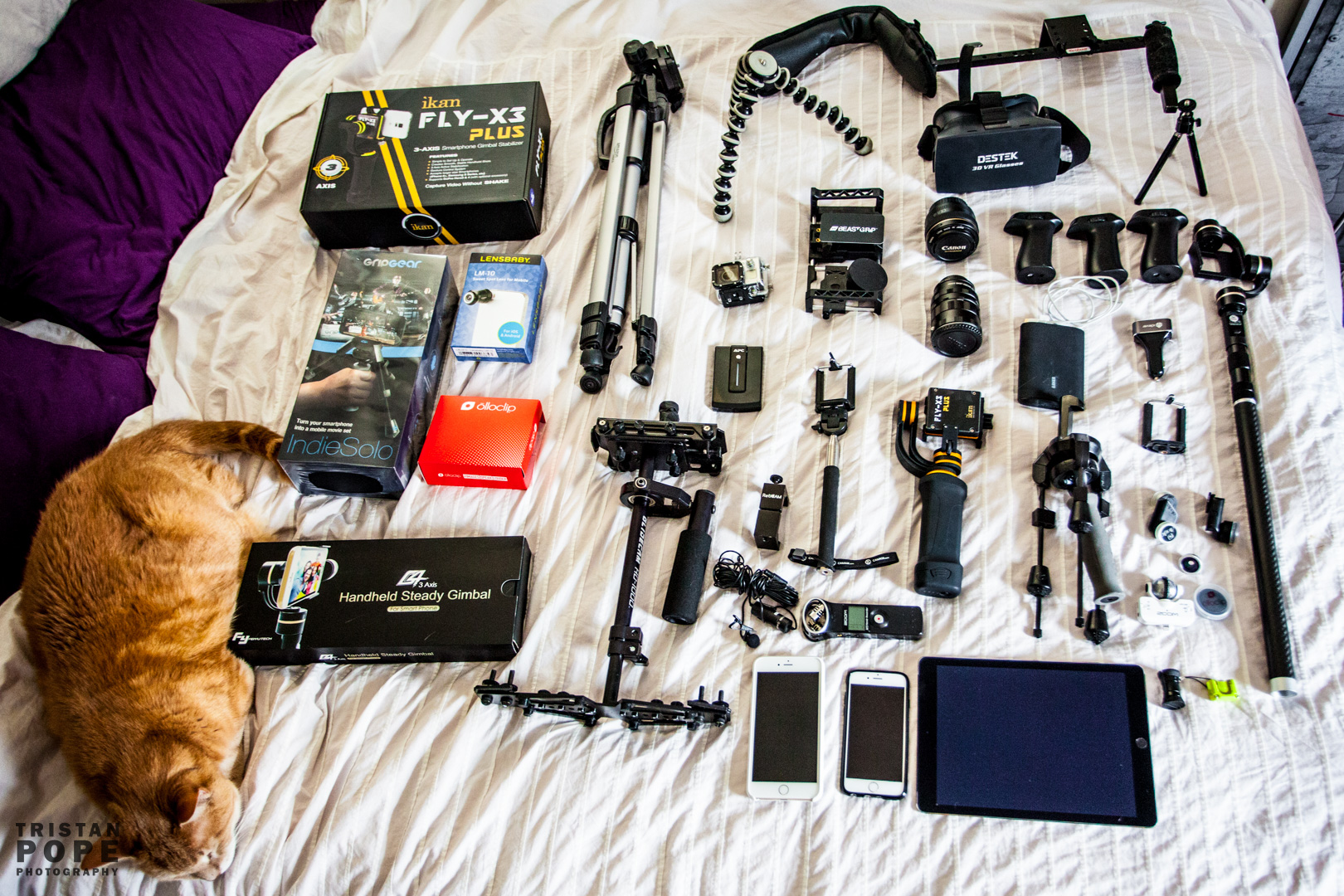

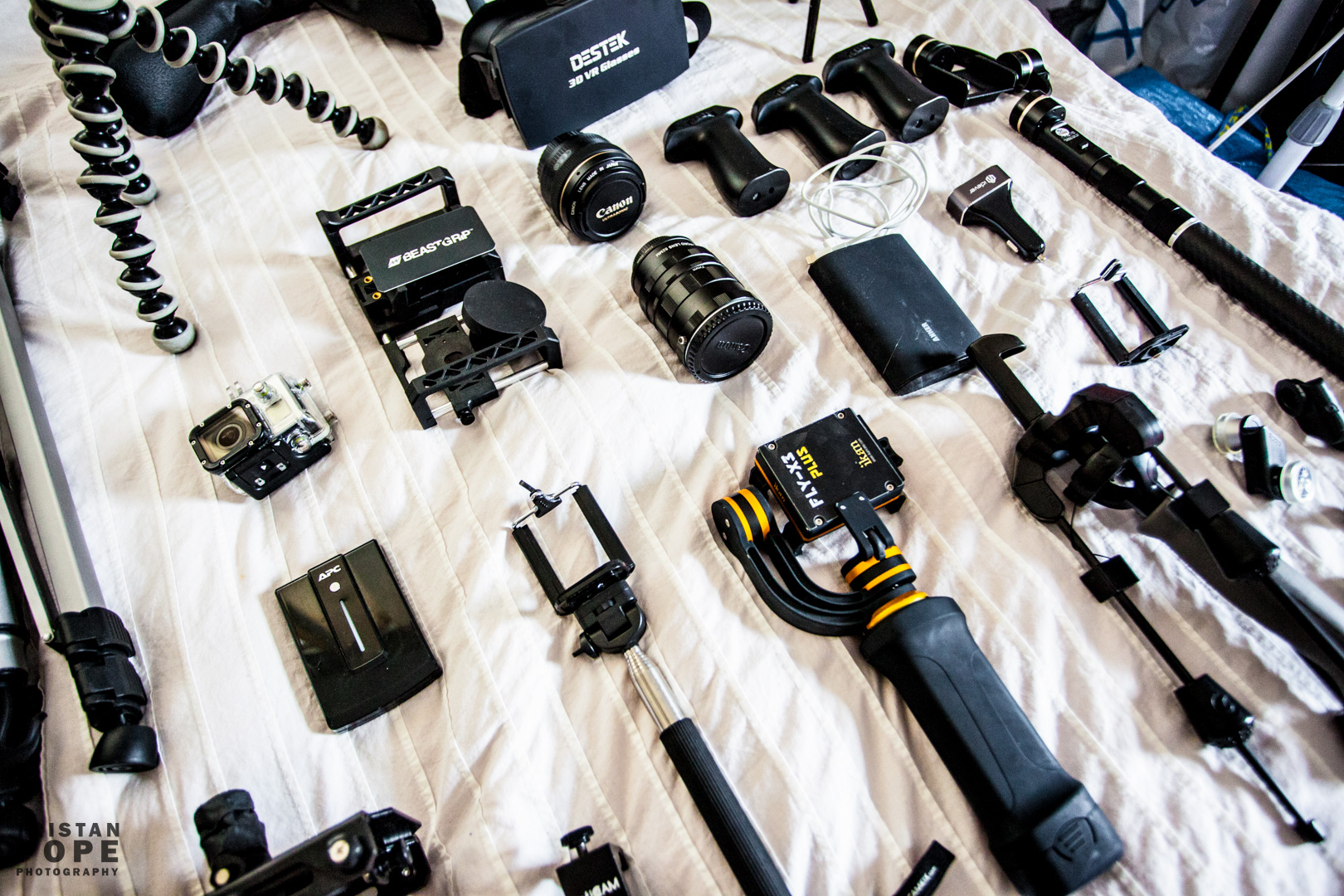
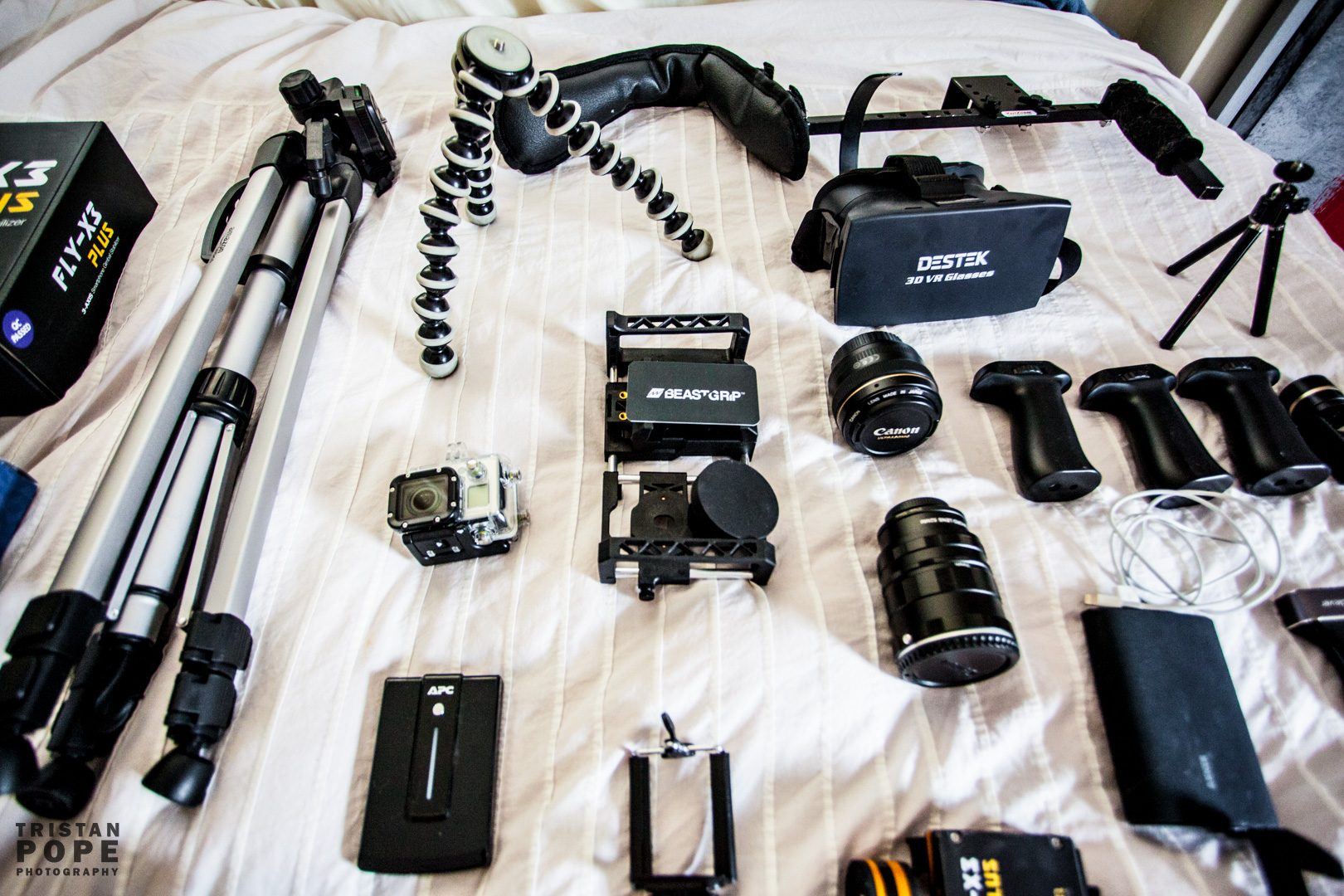


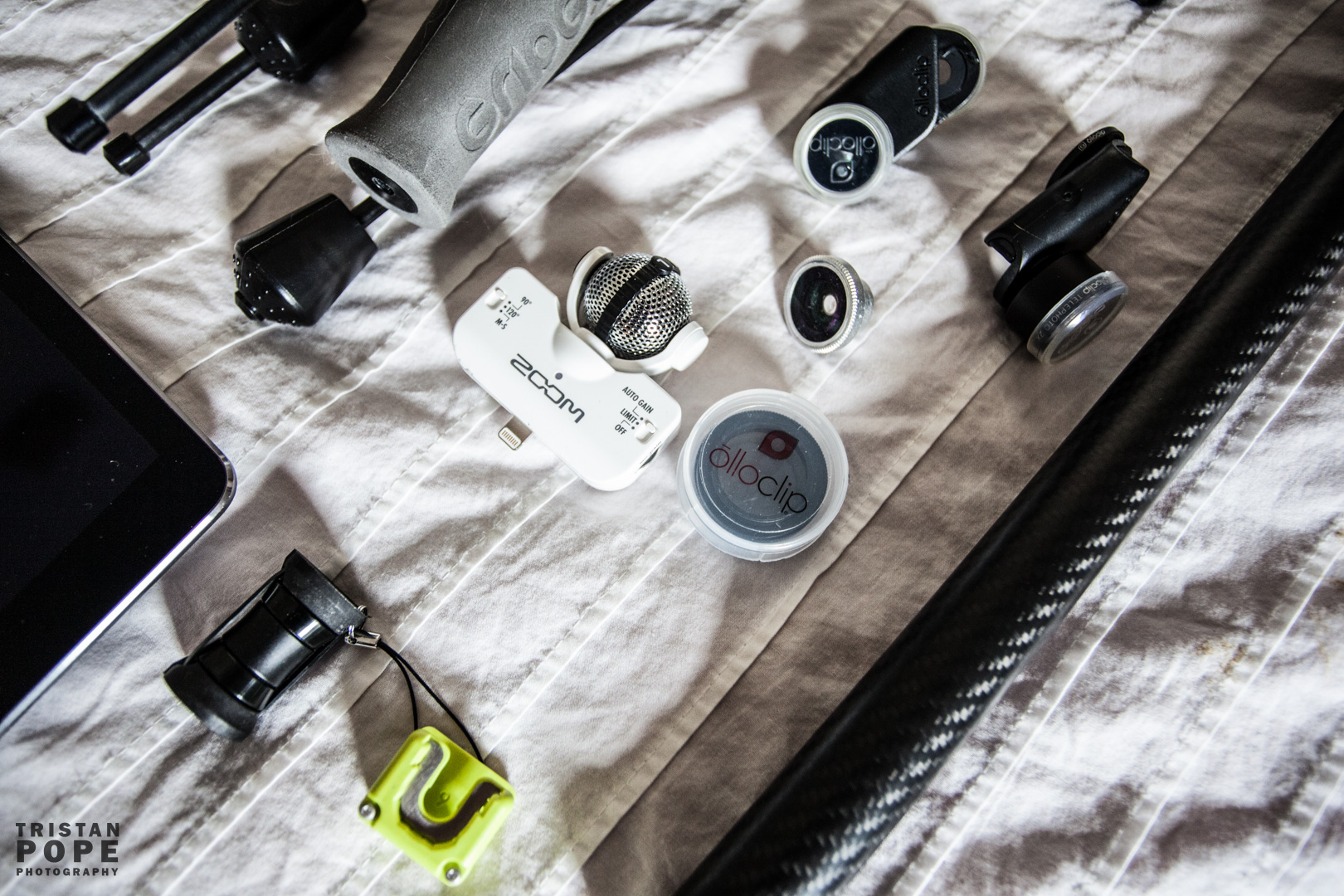
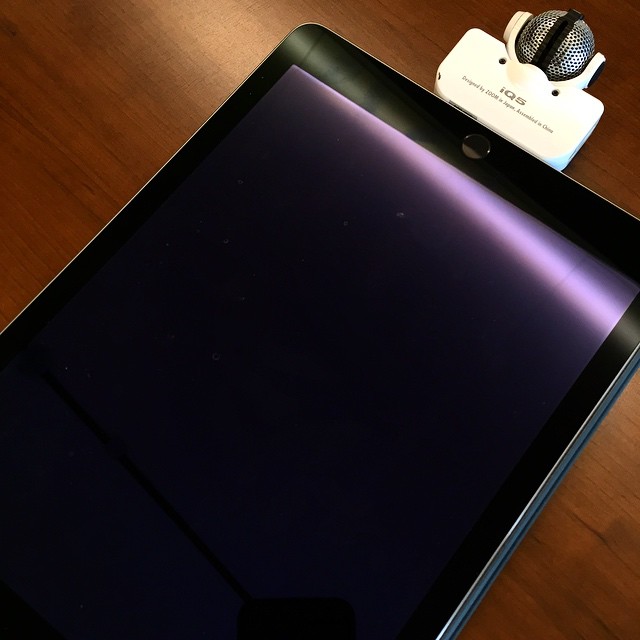
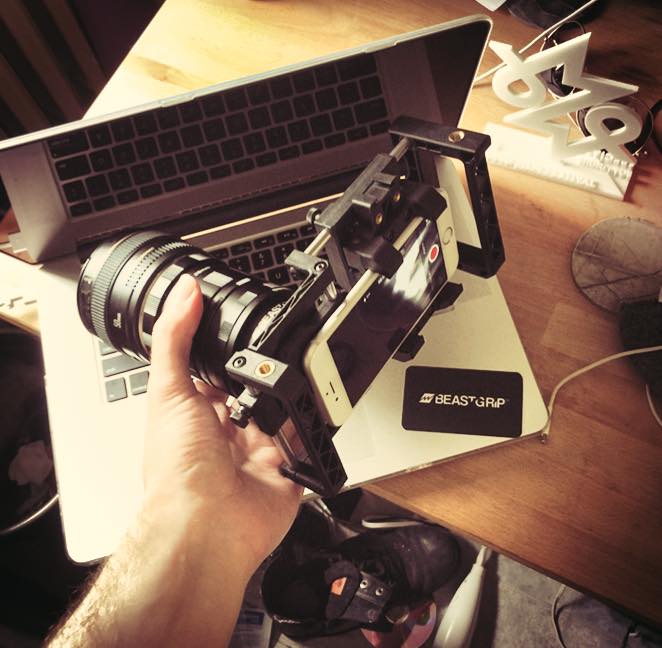
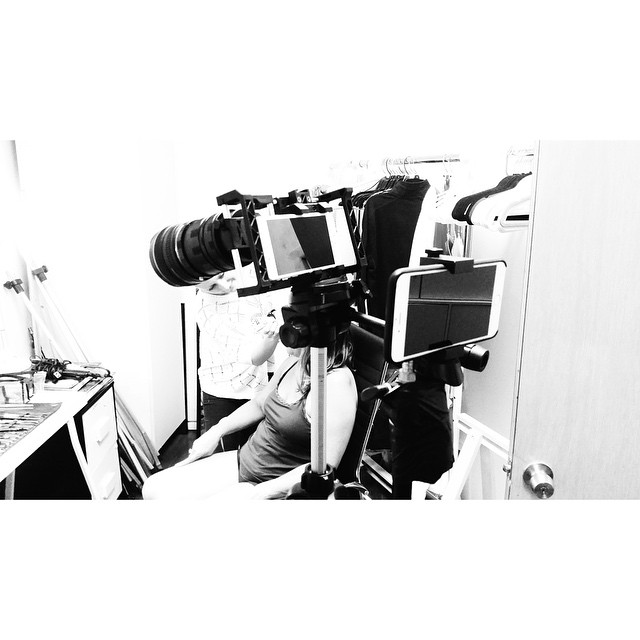


 To be honest the only downside is lack of DoF, but with equipment such as Beastgrip and iOgrapher you can now attach DSLR lenses to your iPhone, so it will be interesting to see what I can do with that next. Like I said, the downsides are there for sure… lower resolution when shooting 240FPS, no 4K…but it all seems trite compared to the liberating feeling you get running down the line shooting 3 dancers moving in tandem with just a small stabilizer and iPhone in your hand. And man, does it make traveling with your equipment so much easier.


 “Romance in NYC”


